
Writing Your Own Wedding Vows: Structure, Length and Examples
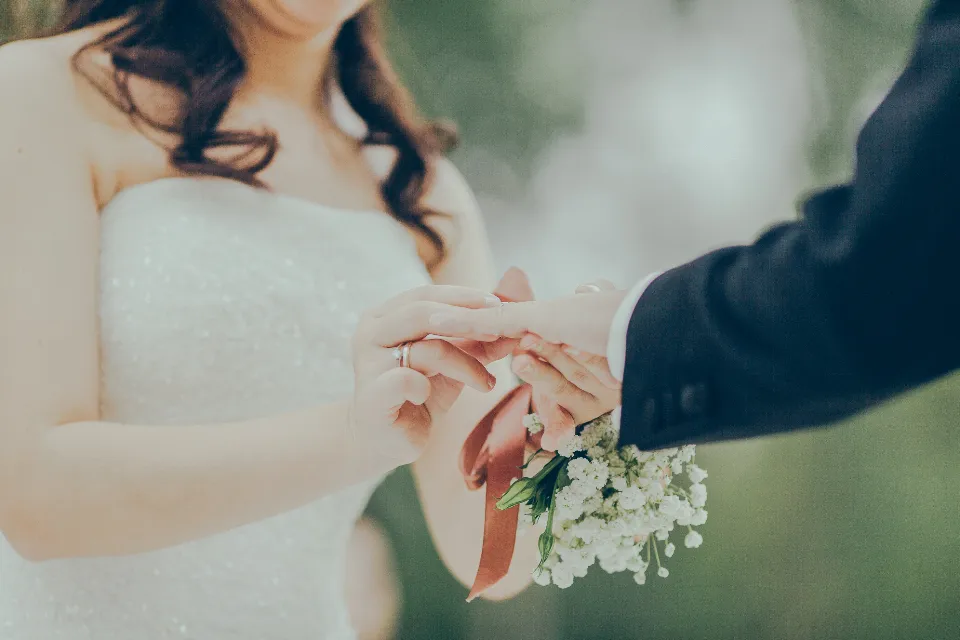
There’s a moment in the ceremony when everyone puts their phone away, the photographer edges closer and even the most distracted great-uncle tunes in: when you say your vows. Writing them yourselves is daunting, but you don’t need to be a poet. You need to be honest, specific and, above all, prepared well ahead of time.
Before you write: agree on the ground rules
The first step isn’t sitting down to write — it’s talking to each other. Agree on three things: length, tone (heartfelt, playful or a mix) and whether you’ll share the text before the day. You don’t have to read each other’s vows, but they should feel balanced: if one of you brings a page and a half of tears and the other three lines and a joke, everyone will notice.
Also check that your ceremony allows it. Civil and symbolic ceremonies give you complete freedom; religious ones usually have a set form. If you’re still deciding, look through the different wedding ceremony types and how much room each one leaves you.
How long they should be
The length that works: one to two minutes each, roughly 150-250 words read at a calm pace. It sounds short, but standing up, emotional and with every eye on you, two minutes feels long. Better to leave people wanting more than to watch guests start shifting from foot to foot.
A four-step structure
Nearly every set of vows that moves a room follows this skeleton:
- The opening: a line that places the two of you, said while looking at each other.
- One specific memory: the moment you knew it was them, a small true detail. One scene is worth ten adjectives.
- The promises: three or four, mixing the big (“to show up on the hard days”) with the everyday (“to always leave you the last slice of cake”). The everyday ones are what make people smile — and what they remember.
- The close: one short, decisive line that sums it all up. It’s the last thing anyone hears before the rings, so polish it.
Sample opening lines
If the blank page freezes you, borrow one of these and make it your own:
- “Before I met you, I didn’t know you could feel this much at home with someone.”
- “People ask when I knew it was you. The answer is an ordinary Tuesday…”
- “I’m not promising you a perfect life. I’m promising you a life with me in it.”
- “I’ve spent weeks trying to write this and came to one conclusion: eight years don’t fit into two minutes, but I’m going to try.”
- “I chose you the day we met, and I’m choosing you again today, in front of everyone.”
Make sure nobody misses those words: give guests the exact ceremony time and place on one clear, beautiful page.
Create my invitation for freeWhat to avoid
- Inside jokes only you and two friends will get — everyone else is left out.
- Mentions of exes or chapters that might make someone in the room uncomfortable.
- Impossible promises, or ones too intimate to say in front of your grandparents.
- Competing: it’s not a contest to see who can make more people cry.
- Copying vows from the internet word for word. Take inspiration, but every line should sound like you.
How to rehearse
Start writing four to six weeks before: a first draft, a few days’ rest, then a second version with fresh eyes. After that, read them aloud several times and time yourselves; any line you trip over, rewrite shorter.
On the day, bring your vows printed on a card, not on your phone: it looks better in photos and doesn’t depend on battery life. Give a copy to your officiant just in case. When you read, slow down, look up at the end of each promise and breathe. If your voice cracks, that’s fine — it’s exactly what makes the moment. And if you’re also speaking at the reception, our wedding speeches guide has more tricks for handling nerves.
In short
Agree on length and tone, write early, tell one specific memory, make real promises and close with a line that sticks. One to two minutes, a card in your hand and your eyes on the other person. They don’t have to be perfect — they have to be yours.
Frequently asked questions
How long should personalised wedding vows be?
Between one and two minutes each, which works out at roughly 150-250 words read at a calm pace. That is enough for one memory, three or four promises and a closing line without dragging out the ceremony.
Should you show your vows to your partner before the wedding?
You don't need to read them to each other, but you should agree on length and tone so there are no surprises. Ideally a trusted third person, such as your officiant, reads both versions and checks that they feel balanced.
Can you say your own vows in any type of ceremony?
Civil and symbolic ceremonies usually give you complete freedom. Religious ceremonies tend to have a fixed form of consent, so ask in advance whether you can add a few words of your own at another point in the service.
Creating and previewing your invitation with RSVP is free — no card, no time limit. You only pay a one-time €49 when you publish.
Create my invitation for free