
Wedding Venues in Italy: 8 Villas, Castles and Masserie
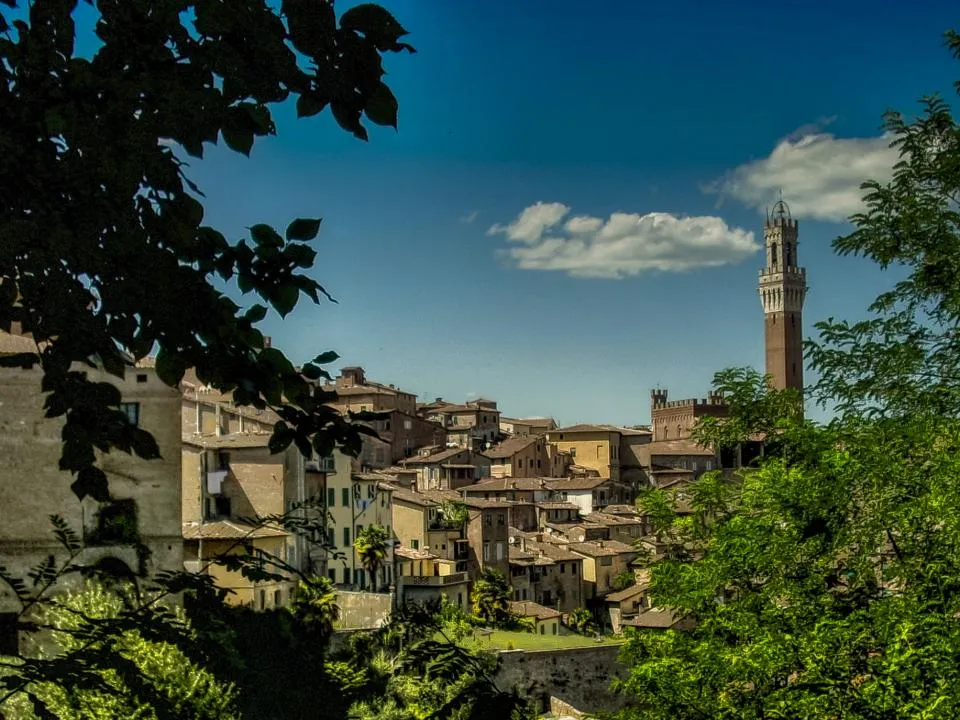
Italy has been Europe’s flagship wedding destination for decades, and it stays there for a simple reason: almost anywhere you stand already looks styled. The real decision is the region, because a northern lake and a southern farmhouse have nothing in common — not in mood, not in budget.
Here are eight of the country’s most coveted venues, grouped by area, with what each one actually gives you.
Lake Como: the picture-postcard wedding
Villa del Balbianello (Lombardy)
An 18th-century villa on a promontory at Lenno, with terraced gardens dropping to the water and a loggia open to the lake. You arrive by boat, which turns the guests’ entrance into part of the show. It is probably the most photographed wedding setting in Italy. It is not a hotel, so accommodation and transfers need organising separately.
Tuscany: Renaissance villas and castles
Villa Gamberaia (Florence)
In Settignano, above Florence, one of Italy’s most celebrated Renaissance villas. Its water gardens — clipped parterres and long reflecting pools — are a landmark in the history of garden design, with Brunelleschi’s dome on the horizon. Ideal for smaller weddings that want restrained elegance.
Vignamaggio (Chianti)
A restored medieval villa at Greve in Chianti, with its own vineyard and olive grove and long views across the hills. It strikes the right balance between manor house and working farm: tables under the pergola, house wine, and the rolling landscape everyone pictures when they say Tuscany.
An Italian wedding means flights, hotels and transfers for nearly everyone. Put it all on one website and stop answering the same question twenty times.
Create my invitation for freeCastello di Casole (Siena)
A Tuscan castle turned five-star hotel, set in an enormous estate among the Sienese hills. It pairs old stone with modern comfort and houses your inner circle on the property itself — genuinely useful when guests are travelling in and would rather not drive narrow roads after dark.
Rosewood Castiglion del Bosco (Val d’Orcia)
A medieval hamlet in the heart of the Val d’Orcia, near Montalcino, with its own church, castle ruins and Brunello vineyards all around. This is the landscape on the postcards, protected as a World Heritage Site. September and October dates go a very long way in advance.
The Amalfi Coast: a terrace above the sea
Villa Cimbrone (Ravello)
High above Ravello, famous for its Terrazza dell’Infinito: a balustrade lined with marble busts suspended over the Gulf of Salerno. It is one of the great views of the Mediterranean. The trade-off is logistics — narrow roads, scarce parking and transfers that need planning in detail.
Puglia: masserie among the olive trees
Borgo Egnazia (Savelletri)
A resort built from scratch to mirror a traditional Apulian village, with a piazza, white stone lanes and a beach club. It sounds contrived and yet it works: it supports multi-day weddings with everyone staying on site and things for guests to do between events.
Masseria Torre Coccaro (Savelletri)
A 16th-century fortified farmhouse turned boutique hotel, surrounded by centuries-old olive groves running almost to the Adriatic. It has the rustic charm of the south with five-star service and access to a private beach. Puglia is also considerably cheaper than the north.
Before you book: four warnings
- The legal side. A civil wedding in Italy needs documents and lead time. Look into it early, or handle the legal step at home and hold a symbolic ceremony.
- Transfers. On Como and the Amalfi Coast these are a budget line in their own right, not a detail.
- Noise limits. Many historic villas cap outdoor music after a certain hour. Ask before you picture the party.
- Season. July and August are punishing in the south; May, June and September are the comfortable months.
Before you decide, have a look at how to choose your wedding venue and our destination wedding guide.
Maps, hotels, boat times and RSVPs — all on one link you can send over WhatsApp.
Create my invitation for freeIn short
Italy comes down to four choices: a northern lake, a Tuscan hillside, an Amalfi clifftop or a southern masseria. The lake and the coast give the most spectacular photographs and the most expensive logistics; Tuscany balances landscape against convenience; Puglia offers the best ratio of charm to price. Choose the region first and the rest follows.
We also have guides to wedding venues in Spain, in France and in the UK.
Frequently asked questions
How far ahead should you book a wedding venue in Italy?
The best-known villas on Lake Como and the Amalfi Coast go eighteen to twenty-four months out for peak-season weekends. In Tuscany and Puglia, twelve to eighteen months is usually enough.
Is a wedding held in Italy legally recognised at home?
A civil marriage performed before the Italian authorities is valid and can be registered at home afterwards, but it requires paperwork and time. That is why many couples marry legally in their own country and hold a symbolic ceremony in Italy.
Which Italian region is cheapest for a wedding?
Puglia is clearly the most affordable of the four main regions, followed by inland Tuscany. Lake Como and the Amalfi Coast are the most expensive, largely because of transfer costs and guest accommodation.
Creating and previewing your invitation with RSVP is free — no card, no time limit. You only pay a one-time €49 when you publish.
Create my invitation for free