
How to Organise Your Wedding Seating Plan Without the Drama
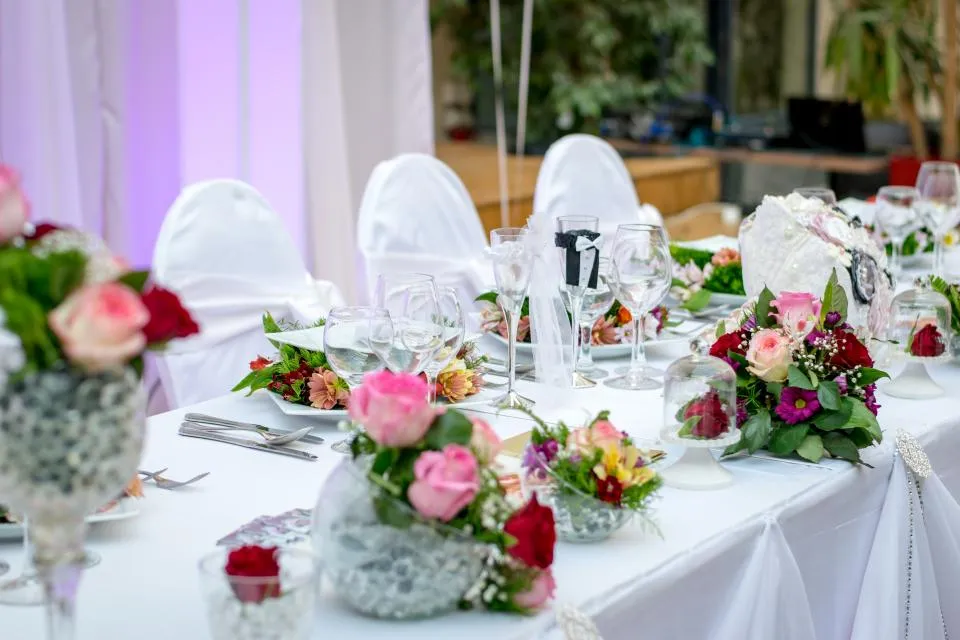
The seating plan has a reputation as the most dreaded part of planning a wedding, and it’s an unfair one: what turns it into a drama isn’t seating people — it’s trying to do it too early and without data. With RSVPs closed and the form’s answers in front of you, it’s an entertaining one-afternoon puzzle. Here’s how.
When to do it (hint: not yet)
The classic mistake: starting the seating plan months ahead, while the list is still in flux. Every cancellation knocks the board over and you start from scratch.
The right moment is after the RSVP deadline, usually 2–3 weeks before the wedding. By then you know who’s coming, with whom, and with what needs. Before that date, the only useful thing you can do is settle the table format with the venue (rounds of 8–10, one long imperial table, or a mix).
Your RSVP already did half the work
If you set up your RSVP questions well, everything the seating plan needs is already in front of you:
- Plus-ones’ full names: every chair gets a first and last name, not “Emma +1”.
- Children and their ages: to decide between a kids’ table or seats with their parents (and the high chairs).
- Allergies and dietary requirements: the caterer needs to know which table the coeliac guest is at, not just that there is one.
- Who confirmed together: household confirmations already sketch your natural groups for you.
Export the list of responses and work from it. Starting the seating plan from a real list of confirmed guests — rather than the ideal guest list — is the difference between doing it once and doing it four times.
With Enlázate you design your invitation for free and pay a one-time €49 only when you publish.
Create my invitation for freeThe method: groups first, tables second
- Group before you seat. Sort the confirmed guests into natural clusters: each side’s family, the hometown crew, university friends, work. Most tables form themselves.
- Place the anchor tables. The head table (or yours) and the parents’ and grandparents’ tables, close by and with a good view. Seat the older guests away from the speakers — they’ll thank you more than for any table favour.
- Fill the gaps with care. For the loose ends — the cousin who knows nobody, the friend coming alone — find the table they share something with: age, hobbies, language. The right question isn’t “where is there room?” but “who would they enjoy talking to?”.
- Check the logistics. Confirm with the caterer that tables with special menus are flagged, and put a clear plan at the entrance (alphabetical by guest → table beats making people hunt table by table).
The tricky cases, solved
- Divorced parents who don’t speak: equal prominence, different tables, out of each other’s sightline. Nobody gets “punished” at the back table.
- The ex within the friend group: with the group, as one of them. Separating them makes it stranger for everyone.
- “Obligation” tables that don’t gel: better to blend two half-groups with something in common than force a table of eight strangers.
- Last-minute additions: keep one or two spare seats spread around; there’s always a change in the final week.
And one liberating truth: the perfect seating plan doesn’t exist. Twenty minutes into dinner, people stand up, swap chairs, and the party sorts itself out. Your job is a reasonable starting point, not an infallible one.
It all starts with the form
A drama-free seating plan is cooked months earlier, in the RSVP: named plus-ones, children with ages, allergies in writing, and household confirmations. With Enlázate, your online invitation’s form collects all of that and the dashboard lays it out ready to work with: who’s coming, with whom, and what they need. Creating the invitation is free, and publishing costs a one-time €49. With the pieces face up, the puzzle takes one afternoon.
Creating and previewing your invitation with RSVP is free — no card, no time limit. You only pay a one-time €49 when you publish.
Create my invitation for free