
Sustainable Wedding: How to Celebrate Big While Leaving a Smaller Footprint
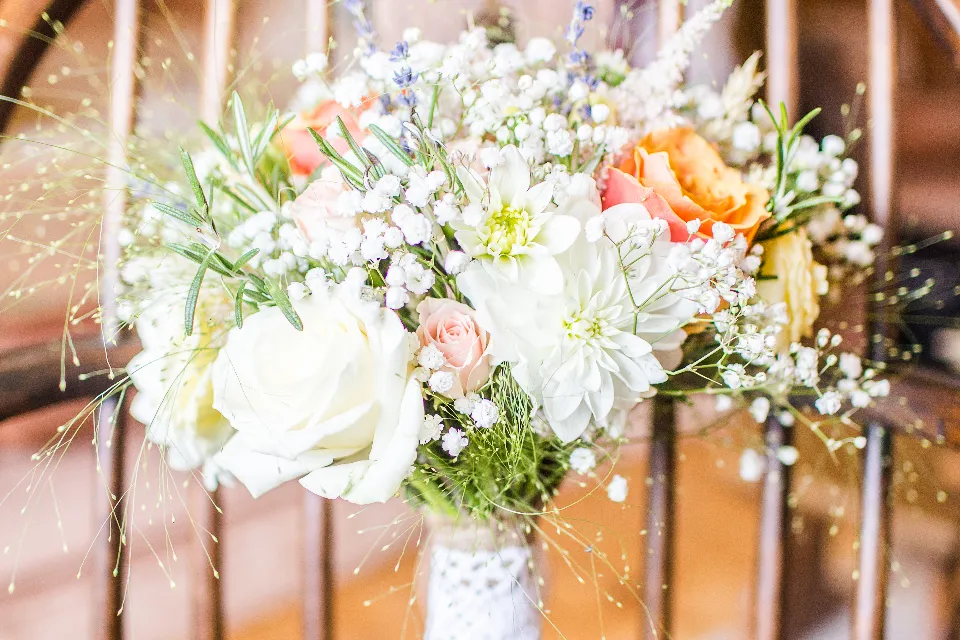
A sustainable wedding isn’t a less joyful wedding, nor a list of sacrifices. It’s a wedding planned with some thought: fewer things thrown away the next morning, more food from nearby, and choices that often ease the budget along the way. You don’t have to do everything — pick the ideas that suit you and do them well.
Start with the invitations
Invitations are the first thing your guests receive and one of the easiest things to change. A digital invitation skips the paper, envelopes, ink and postage, and lets you fix a time or an address without reprinting a thing.
If someone in the family values holding something in their hands — your grandparents, say — it doesn’t have to be all or nothing: print a handful of copies on recycled paper just for them and send the digital version to everyone else.
Local, seasonal food
Food is the heart of the celebration, and it’s also where every choice shows most. Ask your caterer for a menu built on seasonal produce from nearby suppliers: it usually tastes better, travels less and often costs less than importing out-of-season ingredients.
Ask about vegetarian options too: a well-made vegetable dish can be the most talked-about plate of the night. If you’re comparing suppliers, our guide to choosing your wedding caterer covers the key questions for the tasting.
Less food waste
Waste almost always starts with fuzzy numbers. A few things that help:
- Real confirmations: the sooner you know who’s coming and what each person eats, the tighter the order can be.
- Sensible portions: a very long cocktail hour followed by a five-course dinner guarantees leftovers. Fewer, well-judged courses work better.
- A plan for leftovers: agree in writing with your caterer what happens to surplus food. Some let you take it home and others work with charities; check what the rules in your area allow.
An RSVP that asks about attendance, plus-ones and dietary needs gives you exact numbers, so you don't over-order.
Create my invitation for freeSeasonal flowers with a second life
Seasonal, locally grown flowers tend to be fresher and more affordable. Ask your florist to suggest whatever is at its best on your date rather than locking in a list of specific blooms.
Think about afterwards, too: centerpieces can go home with guests at the end of the night, potted plants can end up in a garden, and the bouquet can be dried as a keepsake. And skip floral foam whenever your florist can work with other techniques.
Decor you can reuse
The most sustainable decor is the decor you don’t have to make. A venue with its own charm — a garden, a farmhouse, an estate with old trees — needs far less added to it.
For the rest:
- Rent or borrow before you buy: vases, lanterns, table linen or signage.
- Choose lasting materials, like a chalkboard or a wooden panel, instead of single-use vinyl and printed signs.
- Know where it’s going before you buy anything: if you won’t use it again, maybe someone close to you is getting married soon and can.
Favors that don’t end up in the bin
A sustainable favor is, above all, one that gets used. Edible gifts from local producers — honey, olive oil, coffee — or a packet of seeds usually work better than an ornament. You’ll find more ideas in our article on wedding favors. And if you’d rather not give an object at all, a donation to a cause you care about, explained on a card at each table, is a favor too.
Shared transport
If the venue is far from town, every guest driving their own car means more trips and more parking. A coach or a couple of shuttles at set times makes everything simpler — and nobody has to worry about driving home. For those who do drive, encourage them to share a car with other guests from the same city.
Ask in your RSVP who’ll need a ride so you can size it properly; our guide to wedding guest transport explains how to set times and pick-up points.
In short
A sustainable wedding is built from simple decisions: digital invitations, a local and seasonal menu, reliable guest numbers so food isn’t wasted, flowers and decor with a second life, useful favors and shared transport. You don’t need to do it all: every change counts, and almost all of them make the wedding feel more like yours.
Frequently asked questions
Is it acceptable to send wedding invitations digitally?
Yes. It's increasingly common and saves paper, envelopes and postage. If an older guest would rather hold something in their hands, simply print a few copies on recycled paper just for them.
How do we avoid leftover food at our wedding?
With reliable numbers: ask for attendance and dietary needs in your RSVP, agree the final head count with your caterer with only a small margin, and settle in writing what happens to any leftovers, within local rules.
Is a sustainable wedding more expensive?
Not necessarily. Many sustainable choices save money: digital invitations, seasonal flowers, rented or borrowed decor and fewer single-use items. What it does take is deciding a little further ahead.
Creating and previewing your invitation with RSVP is free — no card, no time limit. You only pay a one-time €49 when you publish.
Create my invitation for free