
International Wedding Guests: How to Plan a Multilingual Wedding
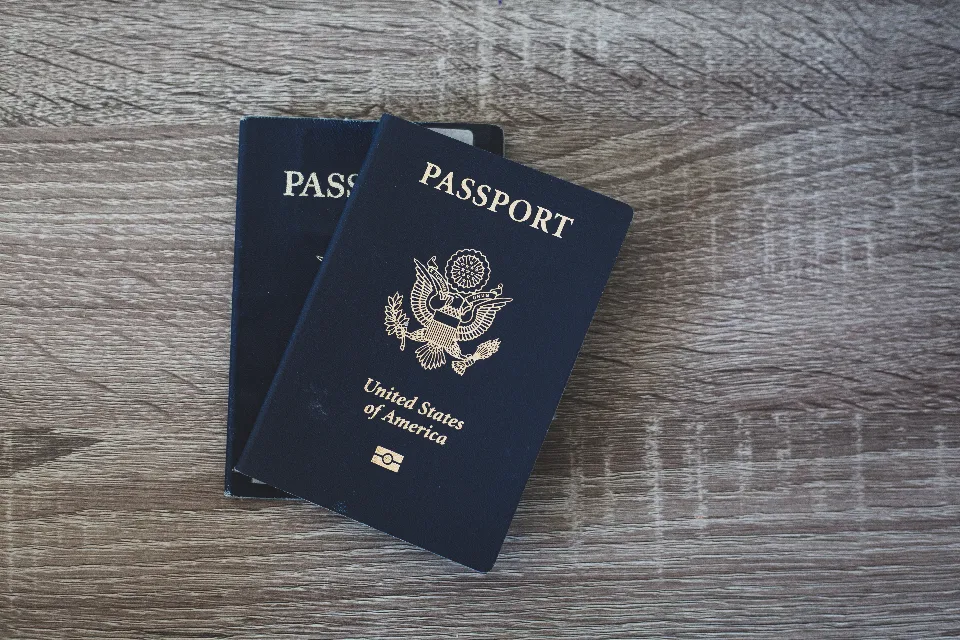
More and more couples marry with part of the guest list scattered around the world: the sister who lives in Berlin, the friends from that year abroad, the family who emigrated thirty years ago. A wedding with international guests isn’t harder to organise, but it does demand something different: much clearer information, much earlier. Someone boarding a plane for you cannot improvise.
Tell them far, far in advance
A local guest decides in an afternoon. Someone flying in needs to book time off, compare flights, coordinate with a partner and sometimes apply for a visa. Send a save the date eight to twelve months ahead, even if the reception venue isn’t confirmed: the date and the city are enough for them to block it out.
Include three details in that first message, because they change the answer: the day of the week, whether the wedding runs into the night, and whether anything is happening the day before or after. Nobody crosses a continent for a single afternoon.
The invitation, in their language
Translating the invitation isn’t a decorative touch — it’s what stops someone reading “09/07” as 7 September or missing what the dress code means. If your invitation is online, this solves itself: same page, same information, same form, each guest in their own language.
And if there’s a language you can’t cover, a short English version of the essentials — address, time, how to RSVP — is usually enough. What matters is that nobody has to guess.
Your invitation can appear in each guest's own language. Free to build and preview, one-time €49 only when you publish.
Create my invitation for freeWhat a guest from abroad actually needs to know
Your lifelong guests know how to get to the village, know the hotel and know when dinner is served. Visitors don’t. Put it all in writing:
- How to get there: nearest airport, real travel time to the venue, whether they need a hire car or whether you’re arranging transport.
- Where to stay: two or three options at different prices and, if you have one, the booking code. It’s the part they appreciate most; we go into detail in the guide to accommodation for guests.
- The local schedule: ceremony at 7pm, dinner at 10pm, dancing until five. Said plainly. For many guests that timing is unimaginable.
- What the dress code means in practice: if “suit” still includes a jacket at 35°C, say so.
- Weather and footwear: August inland is nothing like August on the coast.
Running the RSVP across time zones
With guests spread across several time zones, the “so are you coming?” messages become unmanageable. Close confirmations through an online form, with a clear deadline and in each guest’s language, and collect what you’ll need later while you’re at it: plus-one’s full name, dietary requirements, whether they need transport and which nights they’re staying.
One practical tip: set your deadline earlier than the caterer’s. International guests usually take longer to reply, because their answer depends on a plane ticket.
On the day: don’t leave anyone out of the conversation
What makes a multilingual wedding a good one happens on the day itself:
- A ceremony people can follow. A printed order of service with the translation, or a reading in each language. It costs little and changes the experience completely.
- Speeches with context. Ask speakers to skip in-jokes that can’t be translated, or to sum up in two sentences in English.
- A host per group. Assign a bilingual friend or cousin to each international table: it’s the best “favour” you can give them.
- A seating plan with thought behind it. Seat them with people they can talk to, not together at the back table for your own convenience.
Make it a weekend
If your guests are flying in, use it: an informal drink on Friday and a long Sunday brunch multiply the value of the trip and let you actually spend time with them, which on the wedding day itself is almost impossible. And if the wedding is far from where you live, the destination wedding guide covers the rest of the logistics.
The rule is simple in the end: the further away a guest lives, the more information they need and the sooner they need it. Give it to them early and they’ll come.
Frequently asked questions
How far in advance should you tell guests travelling from abroad?
Eight to twelve months ahead, with a save the date. They need to book time off, compare flights and sometimes apply for a visa: six weeks' notice, the kind local guests get, almost guarantees they won't come.
Which language should the invitation be in?
Each guest's own, if you can. An online invitation can show the same details in several languages, so nobody has to translate the date, the address or the RSVP form.
How do you explain late Southern European timings to guests from abroad?
In writing and with actual times: ceremony at 7pm, dinner around 10pm, dancing until the early hours. For someone from a country where dinner is at six, that one line stops them arriving hungry or booking their return flight far too early.
Creating and previewing your invitation with RSVP is free — no card, no time limit. You only pay a one-time €49 when you publish.
Create my invitation for free